
“After 50, the question isn’t just how much you move — it’s whether you’re giving your muscles the nutrients they need to stay strong.”
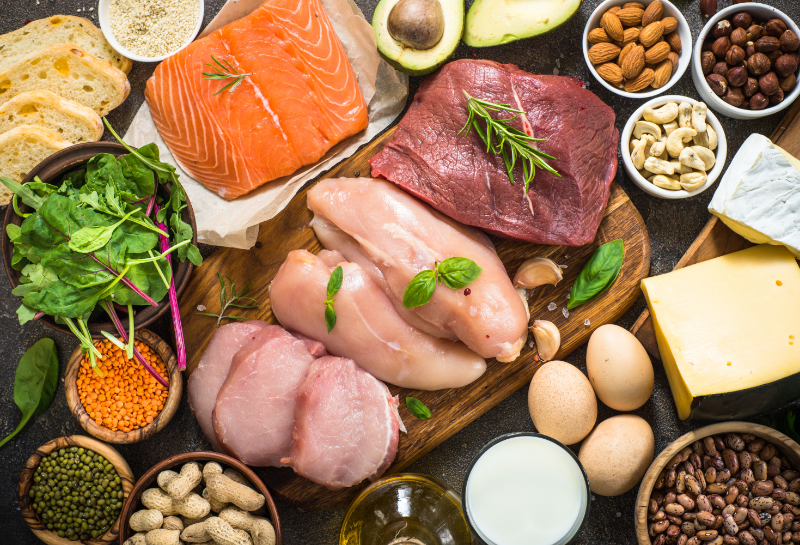
Foods to prevent muscle loss after 50 play a critical role in maintaining strength, metabolism, and long-term independence. Muscle loss after 50 rarely happens all at once — which is why choosing the right foods to prevent muscle loss becomes increasingly important with age.It develops gradually — quietly reducing strength, slowing metabolism, and making everyday tasks feel more effortful than they once did. By the time most people notice the change, it has already been underway for years.
Strength training is one of the most powerful ways to slow muscle loss as you age. If you’re not currently lifting weights, learn why strength training becomes essential after 60 and how even simple routines can make a difference. While strength training is essential, nutrition plays an equally important role. The foods you eat provide the building blocks your body uses to repair and maintain muscle tissue. Without the right nutritional foundation, even a solid training routine will yield diminishing returns.
The challenge is that the nutritional needs of a 55-year-old are meaningfully different from those of a 30-year-old. Older adults need more protein per meal to trigger the same muscle-building response — and the specific foods chosen matter more than most people realize.
The right dietary choices can slow muscle decline, support strength, and help preserve independence as you age. In this guide, we’ll explore the best foods to prevent muscle loss, explain exactly why they work, and show how to build them into a simple, sustainable daily routine.
Table of Contents
- 1. Why Nutrition Matters for Muscle After 50
- 2. What Happens to Muscle as We Age
- 3. 7 Best Foods to Prevent Muscle Loss
- 4. How to Build Muscle-Friendly Meals
- 5. Lifestyle Habits That Protect Muscle
- 6. Conclusion
- 7. Frequently Asked Questions
Why Nutrition Matters for Muscle After 50
After the age of 50, the body begins to experience a process known as sarcopenia — the gradual loss of muscle mass and strength. To understand why muscle loss accelerates after 50, it helps to first understand the biological forces at work.
Several biological changes contribute to this process:
- Muscles become less responsive to protein intake
- Hormonal shifts reduce the efficiency of muscle maintenance
- Physical activity often decreases over time
- Recovery from exercise slows significantly
Because of these changes, maintaining muscle becomes more intentional. Nutrition must provide sufficient protein, essential amino acids, healthy fats, and micronutrients that support muscle metabolism.
One of the most important — and least discussed — changes is something called anabolic resistance. This is the reduced ability of older muscles to respond to protein. A younger person might stimulate muscle protein synthesis with 20 grams of protein at a meal. An older adult may need 35–40 grams to trigger the same response. This is why simply eating “enough” protein isn’t always sufficient — the dose and distribution need to be more precise.
When combined with resistance exercise, the right foods help signal the body to maintain and rebuild muscle tissue. The two work synergistically: exercise creates the stimulus, and nutrition provides the materials to respond to it.

What Happens to Muscle as We Age
Beginning around the age of 30, adults naturally lose small amounts of muscle each decade. This process accelerates significantly after 50 and becomes more pronounced after 60.
Research suggests adults may lose 3–8% of muscle mass per decade, and strength often declines even faster than mass alone. By age 70, some individuals have lost up to 30% of the muscle they had in their prime — a change that affects balance, metabolism, bone density, and the ability to recover from illness or injury.
The practical consequences are often underestimated. Muscle tissue is metabolically active — it burns calories at rest, supports insulin sensitivity, and acts as a reservoir of amino acids the body draws on during illness or stress. When muscle mass declines, so does metabolic rate, making weight management harder and fatigue more common.
However, this process is not inevitable. The body retains the ability to build and maintain muscle well into later life — when given the right stimulus and nutrition.
Resistance exercise is one of the most powerful tools available. Learn more about why strength training becomes essential with age — muscle responds to challenge at any age, and the research is clear.
Nutrition works alongside exercise by supplying the amino acids and nutrients needed for muscle repair and growth.
7 Best Foods to Prevent Muscle Loss After 50
Certain foods provide nutrients particularly beneficial for preserving muscle health and helping prevent muscle loss after 50.These foods are rich in protein, amino acids, vitamins, and minerals that directly support muscle metabolism.
1. Eggs
Eggs are one of the most efficient sources of high-quality protein available. Each egg contains all nine essential amino acids required for muscle repair, along with vitamin D and choline — nutrients that support muscle function and nervous system health.
Eggs are easy to prepare and versatile, making them an excellent option for breakfast or post-exercise meals. For older adults who need to maximize nutrient density, few foods match the value eggs provide per calorie. Research has also shown that whole eggs — not just egg whites — produce a superior muscle-building response, likely due to nutrients found in the yolk that support protein utilization.
2. Greek Yogurt
Greek yogurt offers a powerful combination of protein and probiotics. The high protein content supports muscle repair, while beneficial bacteria help maintain gut health — a factor that directly affects how well your body absorbs and uses protein.
Plain Greek yogurt also contains calcium, which supports bone strength — an important foundation for maintaining mobility and reducing injury risk. Look for full-fat or 2% varieties when possible, as the added fat improves satiety and provides fat-soluble vitamins. A 200g serving typically delivers 15–20 grams of protein, making it one of the most convenient high-protein snacks available.
3. Salmon and Fatty Fish
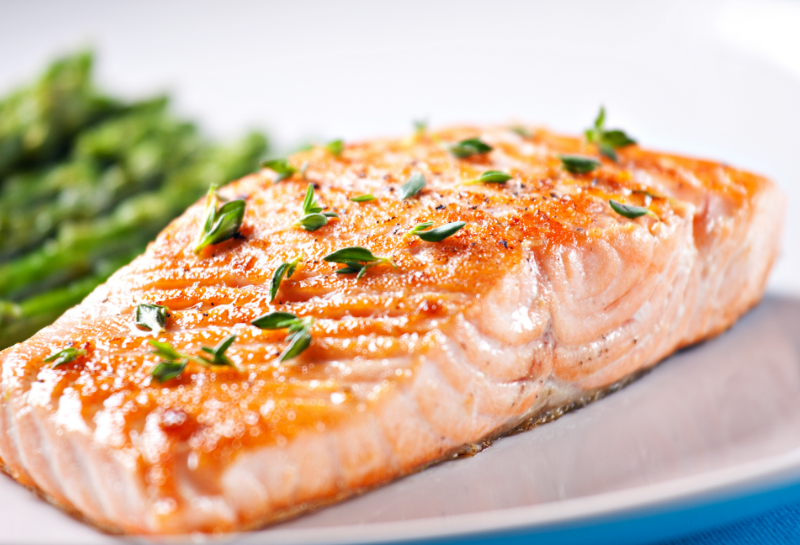
Fatty fish such as salmon, sardines, and mackerel provide both high-quality protein and omega-3 fatty acids. Omega-3 fats appear to support muscle protein synthesis and may help reduce inflammation after exercise — a key concern as recovery slows with age.
Emerging research suggests that omega-3 supplementation may specifically help counteract anabolic resistance — the blunted muscle response to protein that becomes more pronounced after 50. Whether from food or supplements, omega-3s appear to make muscles more sensitive to the muscle-building signal of protein intake. Fatty fish also support cardiovascular health, making them valuable for overall longevity and energy levels. Aim for two to three servings per week for meaningful benefit.
4. Lean Poultry
Chicken and turkey are excellent sources of lean protein. They contain significant amounts of leucine — a branched-chain amino acid that plays a key role in stimulating muscle protein synthesis.
Regular intake of leucine-rich protein helps signal the body to maintain muscle tissue rather than break it down for energy. This signaling effect becomes increasingly important after 50, when the anabolic response to protein declines.
5. Legumes
Beans, lentils, and chickpeas provide plant-based protein along with fiber and essential micronutrients. Legumes also help stabilize blood sugar levels, which supports sustained energy and metabolic health.
While plant proteins are slightly lower in certain amino acids compared to animal sources, combining legumes with grains, dairy, or eggs creates a complete protein profile. They are also an affordable, accessible staple for most diets, and their high fiber content supports digestive health and a feeling of fullness that helps manage calorie intake without sacrificing nutrition.
6. Nuts and Seeds
Almonds, walnuts, pumpkin seeds, and chia seeds provide protein, healthy fats, and magnesium. Magnesium plays an important role in muscle contraction and recovery — and many adults over 50 fall short of the recommended daily intake, often without realizing it.
Nuts also provide calorie-dense nutrition that supports maintaining a healthy body weight, which is closely tied to muscle preservation as you age. Unintentional weight loss — common in older adults with reduced appetite — often includes muscle loss. Including calorie-dense, nutrient-rich snacks like a small handful of mixed nuts helps maintain the energy balance needed to support muscle.
7. Cottage Cheese
Cottage cheese is particularly rich in casein protein, a slow-digesting protein that provides a steady supply of amino acids over several hours. This makes it an excellent evening snack, supplying the nutrients your muscles need during overnight repair and recovery.
Unlike whey, which is absorbed quickly and produces a sharp peak in amino acid availability, casein releases amino acids gradually — keeping the body in a muscle-building state for longer. This is particularly valuable during the overnight fast, when the body would otherwise draw on muscle tissue for energy. A half-cup serving provides roughly 14 grams of protein with minimal fat and calories.
For a deeper understanding of daily protein targets, see our guide on how much protein you actually need after 50 to effectively maintain muscle mass.
How to Build Muscle-Friendly Meals

Preventing muscle loss isn’t about a single food — it’s about consistent, intentional dietary patterns. The timing and distribution of protein across the day matters just as much as the total amount consumed.
Some practical guidelines to follow:
- Include a quality protein source in every meal — breakfast, lunch, and dinner
- Build balanced meals with protein, fiber-rich carbohydrates, and healthy fats
- Spread protein intake throughout the day rather than concentrating it at dinner
- Aim for 25–40g of protein per meal to effectively stimulate muscle protein synthesis
- Pair consistent nutrition with regular resistance training for best results
Even short, consistent workouts can stimulate muscle maintenance when paired with adequate nutrition. If you’re not sure where to start, a simple routine you can start today requires no equipment and takes only 10 minutes — making it easy to stay consistent.
What a Muscle-Friendly Day of Eating Looks Like
To make this practical, here’s a simple example of how protein can be distributed across a day:
- Breakfast: 3 scrambled eggs with vegetables + plain Greek yogurt (approx. 35g protein)
- Lunch: Grilled chicken breast with a lentil and vegetable salad (approx. 40g protein)
- Snack: A handful of almonds and cottage cheese (approx. 20g protein)
- Dinner: Baked salmon with roasted vegetables and quinoa (approx. 35g protein)
This approach delivers roughly 130 grams of protein per day — spread across four eating occasions — which is well within the range that research supports for muscle preservation in adults over 50. Adjust portions based on your body weight and activity level.
Lifestyle Habits That Protect Muscle After 50
Nutrition is one piece of the puzzle. Several lifestyle habits work together to protect and preserve muscle as you age:
Resistance Training
Progressive strength training remains the single most effective way to maintain muscle mass. Even two to three sessions per week can produce significant results when combined with adequate protein intake. The key is progressive overload — gradually increasing the challenge over time so muscles continue to adapt and strengthen.
Adequate Sleep
Sleep is when the body performs the majority of muscle repair and releases growth hormone, which plays a central role in tissue maintenance. Adults over 50 who consistently get fewer than seven hours of sleep per night show accelerated muscle loss and impaired recovery. Prioritizing seven to nine hours of quality sleep is not optional — it is a core component of any muscle preservation strategy.
Daily Movement
Regular low-intensity movement — walking, stretching, light activity — helps maintain circulation, metabolic health, and overall energy levels. Extended periods of sitting or inactivity accelerate muscle disuse and metabolic slowdown, even in people who exercise regularly.
Sunlight Exposure and Vitamin D
Vitamin D plays a direct role in muscle function and strength, with receptors for vitamin D found in muscle tissue itself. Research links low vitamin D levels with reduced muscle strength, increased fall risk, and faster sarcopenia progression. Many adults over 50 are deficient due to reduced sun exposure and less efficient skin synthesis with age. Safe sun exposure and — where needed — supplementation can meaningfully support muscle health.
Stress Management
Chronic stress elevates cortisol, a hormone that promotes muscle protein breakdown when persistently elevated. Incorporating relaxation practices such as walking, mindfulness, or even adequate rest days between workouts supports hormonal balance and long-term muscle preservation.

Conclusion
Muscle loss after 50 is common — but it is not inevitable.
While exercise often receives the most attention, nutrition is equally important. The foods you eat provide the raw materials your body needs to maintain strength, repair muscle tissue, and support long-term independence. Without sufficient protein and key micronutrients, even a consistent training program will struggle to produce results.
By prioritizing protein-rich whole foods such as eggs, fish, yogurt, legumes, and lean meats, you create an environment where muscle is preserved rather than lost. Distributing that protein throughout the day — not just at dinner — maximizes how effectively your body can use it, especially given the anabolic resistance that comes with age.
The good news is that small, consistent changes add up. Swapping a low-protein breakfast for eggs or Greek yogurt, adding a serving of fatty fish twice a week, and making cottage cheese a regular evening snack are simple adjustments that, over time, can meaningfully change your trajectory.
Combined with consistent strength training and healthy lifestyle habits, these nutritional strategies can help maintain mobility, energy, and quality of life for decades to come.
Living longer is valuable — but living stronger is even more important.
Frequently Asked Questions
What foods help prevent muscle loss after 50?
Protein-rich foods such as eggs, fish, Greek yogurt, chicken, turkey, legumes, and dairy products provide the amino acids required for muscle repair and maintenance. Including a variety of these foods across all meals is the most effective dietary strategy.
How much protein do adults over 50 need?
Many experts recommend 1.0–1.6 grams of protein per kilogram of body weight per day for adults over 50. For a detailed breakdown, read our guide on how much protein you actually need after 50.
Can diet alone prevent muscle loss?
Diet plays a major role, but resistance exercise is essential. Strength training provides the stimulus that signals muscles to maintain and grow. Nutrition and exercise work together — neither alone is as effective as the combination.
Are plant-based diets compatible with muscle health after 50?
Yes. Plant proteins such as lentils, beans, tofu, tempeh, and nuts can support muscle health when consumed in adequate amounts and strategically combined to ensure a complete amino acid profile. Supplementing with vitamin B12 and monitoring overall protein intake is advisable on fully plant-based diets.
What is the biggest nutritional mistake people make after 50?
The most common mistake is insufficient protein intake — particularly at breakfast and lunch. Many adults consume the bulk of their daily protein at dinner, but research shows that spreading protein evenly across meals produces better muscle protein synthesis throughout the day.
How quickly does muscle loss happen after 50?
Adults can lose 3–8% of muscle mass per decade from around age 30, with the rate accelerating after 50. However, with proper nutrition and regular strength training, this loss can be significantly slowed or even partially reversed. Read more about why muscle loss accelerates after 50 and what you can do about it.

